Act II of the Handheld Wars: A Comparison of Steam Deck and Domestic Windows Handheld Gaming Experiences"

Aug 26, 2025 By

In the rapidly evolving landscape of portable gaming, a new chapter is unfolding as the Steam Deck goes head-to-head with a wave of Chinese Windows-based handhelds. This isn't just a battle of devices; it's a clash of philosophies, ecosystems, and cultural approaches to gaming on the go. As someone who has spent considerable time with both sides of this conflict, the nuances and stark differences are too compelling to ignore.

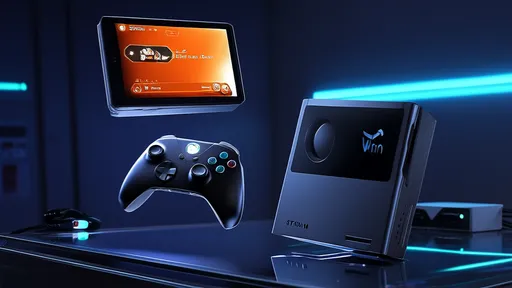
The Steam Deck, Valve's ambitious entry into the handheld market, feels like a product born from a deep understanding of PC gaming's quirks and charms. From the moment you hold it, the device communicates a sense of purpose. Its design, while bulky, is ergonomically sound, with well-placed controls and a responsive touchscreen. The heart of the Steam Deck lies in its custom AMD APU and SteamOS, which together create a seamless bridge between desktop and portable gaming. The integration with Steam is, unsurprisingly, exceptional. Games from your library are just a click away, and the performance, while not always flawless, is consistently impressive for a device of this size.

On the other side of the ring are the Chinese Windows handhelds, devices like the AYANEO and GPD Win series. These machines run full versions of Windows, offering a familiar desktop experience shrunk down into a portable form factor. The immediate advantage here is compatibility. Almost any PC game or application can run on these devices, but that freedom comes with a cost. Windows, as we know, isn't optimized for handheld use. Navigating desktop interfaces with tiny touchscreens and controller inputs can be clunky, and driver issues are not uncommon. Yet, for tinkerers and power users, this openness is a godsend.

When it comes to performance, both camps have their strengths. The Steam Deck's hardware is tailored to its software, allowing for efficient resource management and solid battery life in most scenarios. Valve's focus on a unified experience means that games are often optimized specifically for the Deck, with community-driven profiles and settings that just work. In contrast, Chinese handhelds frequently pack more raw power, with newer AMD Ryzen chips and faster RAM. This can lead to better performance in some titles, but at the expense of battery life and heat management. It's a trade-off between consistency and peak potential.

Software and user experience are where the divide becomes most apparent. SteamOS, with its console-like interface, is designed for gaming first and foremost. Booting up the Deck feels like turning on a gaming console; it's intuitive, fast, and focused. The recent updates have only refined this experience, adding features like game suspension and quick access menus. Windows handhelds, by comparison, boot into a familiar but cumbersome desktop environment. While tools like PlayNite or LaunchBox can help streamline the experience, they are bandaids on a fundamentally mismatched system. The flexibility is there, but it requires effort to harness.

Build quality and design philosophy also tell different stories. The Steam Deck opts for a utilitarian, almost industrial look. It's not the prettiest device, but it feels robust and functional. The controls, including the innovative trackpads, are well-implemented and add layers of input options. Chinese devices often prioritize aesthetics, with sleek metals, RGB lighting, and thinner profiles. However, this sometimes comes at the cost of ergonomics or durability. It's a choice between practicality and premium feel.

Price and availability are critical factors in this competition. The Steam Deck's aggressive pricing, starting at $399, has set a high bar for value. It's accessible to a broad audience and backed by Valve's extensive support and community. Chinese handhelds, while offering powerful hardware, are typically more expensive due to smaller production scales and import costs. They cater to a niche market of enthusiasts willing to pay a premium for cutting-edge specs or specific features.

Looking ahead, the competition is heating up. Valve's open approach to SteamOS, with plans to license it to other manufacturers, could blur the lines between these categories. Meanwhile, Chinese companies are iterating rapidly, addressing software shortcomings and refining hardware. The future might not be about one side winning but rather a convergence of ideas—where the flexibility of Windows meets the polish of a dedicated gaming OS.

In the end, the choice between a Steam Deck and a Chinese Windows handheld depends on what you value most. If you want a hassle-free, console-like experience with great support and community, the Deck is hard to beat. If you crave power, flexibility, and the ability to run anything a PC can, the Windows devices offer unparalleled freedom. Both are valid paths in the second act of the handheld wars, and as a gamer, it's exciting to have such compelling options at your fingertips.

Recommend Posts
Game

Designing Seasonal Operations: Leveraging Festival Culture to Boost Player Engagement

By /Aug 26, 2025

As the gaming industry continues to evolve at a breakneck pace, developers and publishers are constantly seeking innovative ways to maintain and boost player engagement. One of the most potent, yet often underutilized, strategies lies in the thoughtful integration of seasonal and cultural festivities into game ecosystems. Harnessing the power of holidays and cultural events isn't merely about adding a fresh coat of paint or a few temporary items; it's about creating meaningful, resonant experiences that tap into the collective excitement and nostalgia these periods evoke. This approach transforms a game from a mere pastime into a living, breathing world that celebrates alongside its player base, fostering a deeper sense of community and belonging.
Game

Club Brand Building: How to Evolve from Team" to "Cultural Symbol"

By /Aug 26, 2025

In the dynamic landscape of esports, the evolution from a mere competitive team to a cultural symbol represents a profound transformation that transcends traditional branding. This journey is not just about winning championships or securing sponsorships; it is about embedding a club into the fabric of global culture, where it resonates with fans on a deeper, almost emotional level. The shift requires a strategic blend of storytelling, community engagement, and consistent identity, all while navigating the fast-paced digital era where attention is fleeting but loyalty, once earned, can be everlasting.
Game

Act II of the Handheld Wars: A Comparison of Steam Deck and Domestic Windows Handheld Gaming Experiences"

By /Aug 26, 2025

In the rapidly evolving landscape of portable gaming, a new chapter is unfolding as the Steam Deck goes head-to-head with a wave of Chinese Windows-based handhelds. This isn't just a battle of devices; it's a clash of philosophies, ecosystems, and cultural approaches to gaming on the go. As someone who has spent considerable time with both sides of this conflict, the nuances and stark differences are too compelling to ignore.
Game

Mobile Chip Showdown of the Year: A17 Pro vs Snapdragon 8 Gen 3 Gaming Performance

By /Aug 26, 2025

The annual battle for mobile gaming supremacy has reached fever pitch with Apple's A17 Pro and Qualcomm's Snapdragon 8 Gen 3 going head-to-head in performance benchmarks and real-world testing. These two silicon powerhouses represent the pinnacle of mobile processor technology, each taking distinctly different approaches to achieving gaming excellence while pushing the boundaries of what smartphone gaming can deliver.
Game

Fan Noise Control: How High-Performance Gaming Laptops Achieve Cool" Operation

By /Aug 26, 2025

In the high-stakes world of gaming laptops, performance has long been the undisputed king. For years, manufacturers pushed the boundaries of processing power and graphical fidelity, often at the expense of everything else. The result was a generation of machines that could deliver breathtaking frame rates but sounded like a jet engine preparing for takeoff. The cacophony of whirring fans became an accepted, if unpleasant, hallmark of serious mobile gaming. However, a quiet revolution has been underway in engineering labs, fundamentally shifting the paradigm. The new frontier is not just about raw power, but about mastering the art of silent, efficient performance. Today's top-tier gaming laptops are engineering marvels that manage thermals with a sophistication once thought impossible, allowing them to run demanding titles with a hushed intensity that belies their power.
Game

Game TV Special Review: The Impact of Input Lag, VRR, and ALLM on Experience

By /Aug 26, 2025

As gaming continues to push the boundaries of visual fidelity and responsiveness, the technical aspects of television performance have become increasingly critical to the overall experience. Among these, input lag, Variable Refresh Rate (VRR), and Auto Low Latency Mode (ALLM) stand out as pivotal technologies that can dramatically alter how a game feels and plays. These are not mere spec sheet bullet points; they are the unsung heroes or potential pitfalls lurking between the player's command and the on-screen action.
Game

Economics of Game IP Collaboration: Valuation and Execution Essentials in Cross-Industry Partnerships

By /Aug 26, 2025

The landscape of modern entertainment is increasingly defined by collaboration, and nowhere is this more evident than in the realm of video game intellectual property (IP) crossovers. These strategic alliances, where beloved characters and worlds from one franchise appear in another, have evolved from rare novelty events into a cornerstone of contemporary marketing and product strategy. The economics underpinning these ventures are complex, weaving together brand valuation, audience analytics, and long-term strategic planning. For executives and developers, understanding this synergy is no longer a luxury but a necessity for staying competitive in a saturated market.
Game

Peripheral Involution" Analysis: The Technological Arms Race in Keyboards, Mice, and Headphones

By /Aug 26, 2025

In the competitive landscape of PC peripherals, the term "involution" has become an apt descriptor for the relentless technological arms race unfolding in keyboards, mice, and headsets. What was once a market driven by basic functionality has transformed into a battleground where manufacturers push the boundaries of innovation, performance, and customization, often at a breakneck pace. This phenomenon isn't merely about incremental upgrades; it's a fierce competition to capture the attention—and wallets—of discerning consumers, from hardcore gamers and professional streamers to everyday users seeking a premium experience.
Game

Backend Architecture Selection: How Small and Medium Teams Choose Databases and Service Frameworks

By /Aug 26, 2025

For small to medium-sized development teams, selecting the right backend architecture is more than a technical decision—it's a strategic one that can dictate the pace of development, the scalability of the product, and the long-term maintainability of the codebase. The core of this architecture lies in two critical choices: the database and the service framework. These decisions are deeply intertwined with the team's size, expertise, project requirements, and future aspirations. Unlike large enterprises with vast resources, smaller teams must prioritize solutions that offer a gentle learning curve, robust community support, and cost-effectiveness without sacrificing performance or flexibility.
Game

Upgrade of Live Broadcast Technology: Thresholds and Costs of 8K, HDR Signal Production

By /Aug 26, 2025

The broadcast industry stands at the precipice of a visual revolution, driven by the relentless march of technological advancement. The transition from High Definition to Ultra High Definition, specifically through the adoption of 8K resolution and High Dynamic Range (HDR), is no longer a distant future concept but an imminent reality for live sports production. This shift promises an unparalleled viewing experience, bringing the stadium's electric atmosphere and minute details directly into the living room. However, this leap in fidelity is not without its significant challenges, primarily orbiting around the formidable technical thresholds and the substantial financial investments required.
Game

Privacy Policy Revolution: Operational Adjustments under iOS/Android Data Collection Restrictions

By /Aug 26, 2025

The digital advertising landscape is undergoing its most significant transformation in a decade, driven not by market forces or technological breakthroughs, but by a fundamental shift in user privacy expectations. The catalyst for this seismic change has been the aggressive and sustained rollout of privacy-centric policies from the world's two dominant mobile operating systems, Apple's iOS and Google's Android. For years, the app economy thrived on a model of pervasive data collection, where user behavior, identifiers, and cross-app activity were the currency that fueled hyper-targeted advertising and sophisticated attribution models. That era is rapidly drawing to a close.
Game

Jukebox" Feature Return: Design Considerations for a Custom Music Library

By /Aug 26, 2025

The resurgence of the jukebox feature in modern digital platforms marks a fascinating intersection of nostalgia and technological innovation. As users increasingly seek personalized experiences, the ability to play from custom music libraries has evolved from a novelty to an expected standard. This shift represents more than just a functional update—it's a cultural reaffirmation of music as a deeply personal and communal experience. The design considerations for implementing such features extend far beyond simple playback mechanics, touching upon user psychology, technical architecture, and the very nature of how we interact with music in the digital age.
Game

KOL Marketing Effectiveness Report: Analysis of ROI for Hosts at Different Tiers

By /Aug 26, 2025

The landscape of influencer marketing continues to evolve at a breakneck pace, with brands allocating ever-increasing budgets to leverage the reach and credibility of Key Opinion Leaders (KOLs). A central question, however, remains: which tier of influencer delivers the optimal return on investment? Recent comprehensive analysis of campaign data across multiple industries provides a nuanced, and at times counterintuitive, picture of KOL marketing effectiveness, moving beyond mere follower counts to a more sophisticated understanding of value.
Game

Trend in Multilingual Dubbing: Is It Worth Investing in Full Dubbing for Small Language Markets?

By /Aug 26, 2025

In the ever-evolving landscape of global media consumption, the demand for localized content has surged beyond mere subtitles. As audiences crave authenticity and immersion, the question arises: is investing in full dubbing for smaller language markets a strategic move or an unnecessary expense? The answer, it seems, lies at the intersection of cultural nuance, technological advancement, and market potential.
Game

iOS vs Android User Behavior Report: Comparison of Payment Rates and Retention Rates

By /Aug 26, 2025

In the ever-evolving landscape of mobile technology, the behavioral disparities between iOS and Android users continue to shape market strategies and development priorities for app creators and platform providers alike. Two of the most critical metrics illuminating these differences are paid conversion rates and user retention, each telling a distinct story about the respective ecosystems. A deep dive into recent aggregated market data and third-party analysis reports reveals a complex, nuanced picture that goes far beyond simplistic stereotypes.
Game

Copyright Clearance: Legal and Technical Measures to Ensure Game Assets Are Non-Infringing

By /Aug 26, 2025

In the rapidly evolving landscape of game development, ensuring that assets do not infringe on existing copyrights has become a critical concern for studios of all sizes. The consequences of overlooking this aspect can be severe, ranging from costly legal battles to reputational damage and even the removal of a game from distribution platforms. As the industry continues to grow and the demand for high-quality content increases, developers must adopt a multi-faceted approach to copyright clearance, combining legal diligence with advanced technological solutions.
Game

Reform of Tournament Prize Money Distribution: Discussion on the Division Ratio of Players, Coaches, and Clubs

By /Aug 26, 2025

In the ever-evolving world of competitive esports, the conversation around revenue distribution has taken center stage, particularly concerning how tournament prize money is allocated among key stakeholders: players, coaches, and organizations. Recent shifts in the industry have prompted a re-evaluation of traditional models, sparking debates on fairness, sustainability, and the long-term health of the ecosystem.
Game

User Recall Strategy: Personalized Outreach Plans for Different Reasons of Attrition

By /Aug 26, 2025

In today's hyper-competitive digital landscape, customer retention has emerged as the linchpin of sustainable growth. While acquiring new customers remains important, the real value—and the real challenge—lies in keeping them. The stark reality is that customers leave for a multitude of reasons, and a one-size-fits-all approach to winning them back is a recipe for failure. The future of effective re-engagement lies in a sophisticated, diagnostic approach: deploying hyper-personalized outreach strategies meticulously tailored to the specific reasons behind a customer's departure.
Game

Fan Creation Convention: The Harmonious Coexistence of Fan Works and Official Copyright"

By /Aug 26, 2025

In the ever-expanding universe of fan engagement, the delicate dance between fan-created content and official intellectual property rights continues to evolve into a more structured, though still complex, relationship. The emergence of player-created conventions represents a significant step toward formalizing this coexistence, offering a framework that respects both creative passion and legal boundaries. These conventions are not handed down from corporate entities but bubble up from the communities themselves, born from a collective desire to celebrate, expand upon, and honor the worlds they love without stepping on the toes of their original creators.
Game

The Governance Model of Player Guilds: From Loose Organizations to Corporate Operations

By /Aug 26, 2025

In the ever-evolving landscape of online gaming, player guilds have transformed from casual social clusters into sophisticated entities mirroring real-world organizational structures. What began as informal groups of friends coordinating dungeon runs has matured into complex communities with diverse governance models, economic systems, and operational frameworks. This evolution reflects not only the growing complexity of games themselves but also the changing expectations and commitments of players who invest significant time and resources into these digital societies.