In the dynamic landscape of esports, the evolution from a mere competitive team to a cultural symbol represents a profound transformation that transcends traditional branding. This journey is not just about winning championships or securing sponsorships; it is about embedding a club into the fabric of global culture, where it resonates with fans on a deeper, almost emotional level. The shift requires a strategic blend of storytelling, community engagement, and consistent identity, all while navigating the fast-paced digital era where attention is fleeting but loyalty, once earned, can be everlasting.
The foundation of this evolution lies in the power of narrative. A team that merely competes is defined by its results—wins, losses, and statistics. But a cultural symbol is built on a story that fans can connect with, one that humanizes the players and the organization. This narrative often includes origins, struggles, triumphs, and even failures that make the journey relatable. For instance, some clubs have leveraged their underdog beginnings or regional pride to craft a compelling identity. By sharing these stories through documentaries, social media, and player interactions, clubs transform from faceless entities into characters in a larger saga, fostering a sense of belonging among supporters.
Moreover, the visual and auditory elements of a brand play a crucial role in this metamorphosis. A distinctive logo, color scheme, or even a signature anthem can become iconic, instantly recognizable across the globe. These elements are not just marketing tools; they are symbols that evoke pride and unity. When fans wear a club’s jersey or display its emblem, they are not just showing support for a team—they are expressing allegiance to a community and a set of values. This visual identity must be consistent yet adaptable, allowing for evolution without losing its core essence, ensuring that it remains relevant through trends and time.
Community engagement is another critical pillar in this transformation. A cultural symbol does not exist in isolation; it thrives through its interactions with fans. This goes beyond responding to comments on social media or hosting meet-and-greets. It involves creating spaces—both online and offline—where fans can congregate, share experiences, and contribute to the club’s narrative. Initiatives like fan clubs, forums, and real-world events turn passive observers into active participants. When fans feel heard and valued, they become ambassadors, spreading the club’s influence organically and embedding it deeper into cultural conversations.
The digital age has accelerated this process, offering unprecedented opportunities for clubs to amplify their presence. Platforms like Twitter, Instagram, and TikTok allow for real-time engagement, while streaming services bring behind-the-scenes content directly to audiences. However, the key is authenticity. Fans today are savvy; they can distinguish between genuine interactions and corporate messaging. Clubs that succeed in becoming cultural symbols often embrace transparency, showing both their highs and lows, and involving fans in decision-making processes, such as through polls on jersey designs or charity initiatives. This authenticity builds trust, a cornerstone of lasting cultural relevance.
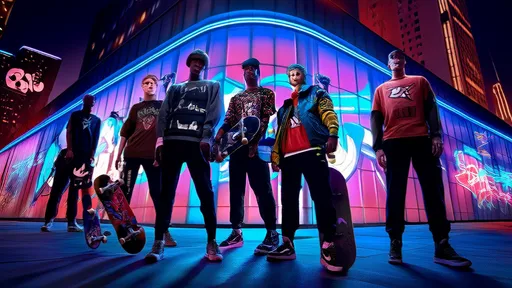
Furthermore, expanding beyond the core esports arena is essential. Cultural symbols often permeate other aspects of life, such as fashion, music, and entertainment. Collaborations with non-endemic brands—like streetwear labels or music artists—can introduce the club to new audiences and reinforce its status as a trendsetter. For example, limited-edition merchandise drops or soundtrack features in games and media can elevate a club from a niche interest to a mainstream phenomenon. These cross-industry partnerships should align with the club’s values, ensuring that the expansion feels natural and enhances rather than dilutes the brand.
Another dimension is the cultivation of a legacy. While short-term success can attract attention, long-term impact cements a club as a cultural symbol. This involves not only sustained competitive performance but also contributions to the broader ecosystem, such as nurturing talent, advocating for social causes, or innovating in content creation. Clubs that invest in their communities—through educational programs, mental health initiatives, or environmental efforts—demonstrate a commitment that goes beyond profit. This altruism resonates deeply, positioning the club as a positive force in society and earning respect that transcends fandom.
In conclusion, the evolution from a team to a cultural symbol is a multifaceted endeavor that demands vision, consistency, and genuine connection. It is about crafting a narrative that inspires, building a visual identity that endures, engaging communities meaningfully, leveraging digital tools authentically, expanding influence creatively, and contributing to society responsibly. This transformation is not achieved overnight; it is a continuous journey of adaptation and growth. Yet, for those clubs that succeed, the reward is not just fame or revenue, but a lasting place in the hearts and cultures of people worldwide, where they become more than a team—they become a symbol of identity, passion, and shared human experience.
By /Aug 26, 2025
By /Aug 26, 2025

By /Aug 26, 2025

By /Aug 26, 2025

By /Aug 26, 2025

By /Aug 26, 2025

By /Aug 26, 2025

By /Aug 26, 2025

By /Aug 26, 2025

By /Aug 26, 2025

By /Aug 26, 2025

By /Aug 26, 2025

By /Aug 26, 2025

By /Aug 26, 2025

By /Aug 26, 2025

By /Aug 26, 2025
By /Aug 26, 2025

By /Aug 26, 2025
By /Aug 26, 2025
By /Aug 26, 2025
