The landscape of modern entertainment is increasingly defined by collaboration, and nowhere is this more evident than in the realm of video game intellectual property (IP) crossovers. These strategic alliances, where beloved characters and worlds from one franchise appear in another, have evolved from rare novelty events into a cornerstone of contemporary marketing and product strategy. The economics underpinning these ventures are complex, weaving together brand valuation, audience analytics, and long-term strategic planning. For executives and developers, understanding this synergy is no longer a luxury but a necessity for staying competitive in a saturated market.
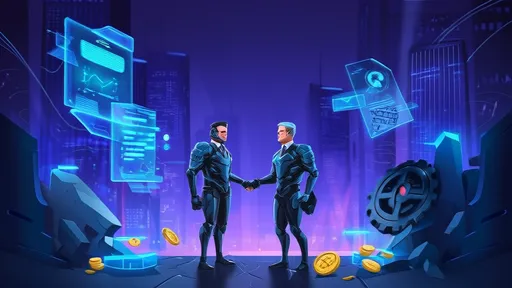
At its core, an IP collaboration, or collaboration, is a calculated financial maneuver. It is far more than a simple licensing agreement; it is a mutual investment in brand equity. The primary value proposition lies in the exchange of audiences. Each IP brings its own dedicated fanbase, and a well-executed crossover acts as a bridge, allowing for a controlled and exciting migration of users from one property to another. This isn't just about attracting new eyes; it's about creating a powerful moment of shared cultural experience that can reinvigorate a stagnant player base, introduce a classic IP to a new generation, or simply generate a massive, concentrated surge of hype and spending. The direct revenue from in-game items, special editions, or increased downloads is often just the most visible tip of the economic iceberg.
The true economic impact, however, often manifests in less tangible but more valuable forms: player retention and brand perception. In an era where live-service games fight a constant battle against churn, a major crossover event serves as a powerful content update that can re-engage lapsed players and deepen the commitment of existing ones. The novelty and exclusivity of the collaboration give players a compelling reason to log in daily and invest more time and money. Furthermore, the association with another high-quality or prestigious IP reflects positively on both brands. A mobile game partnering with a beloved anime series can borrow some of its narrative depth and emotional resonance, while the game itself offers the anime a new, interactive medium and a lucrative revenue stream, enhancing the overall value of the IP portfolio for its owners.
Executing a successful crossover is a delicate art that begins with strategic alignment. The most resonant partnerships are those where a logical, or delightfully unexpected, thematic connection exists between the two properties. Forcing a collaboration between wildly dissonant worlds can feel cynical and generate backlash, while a well-matched pairing feels like a natural event that fans never knew they needed. This alignment must extend beyond theme to encompass audience demographics and brand values. A partnership is most effective when there is a significant overlap in target demographics or a valuable opportunity to access an adjacent, desirable audience. Crucially, both IPs must share a compatible tone and level of quality; a mismatch here can damage the prestige of one or both brands.
Once a partner is identified, the real work begins with seamless integration. The worst crossovers are those that feel like a cheap skin-deep addition—a new character model with no soul. Players today, especially core gamers, have a sophisticated radar for authenticity. They expect the guest IP to be respectfully and thoroughly woven into the host game's mechanics, lore, and world. This means designing new gameplay systems that feel true to the guest character's abilities, writing story events that justify their presence, and ensuring artistic consistency. A shallow implementation is quickly derided as a "cash grab," eroding player trust and negating any potential long-term brand benefits. The goal is to make fans of both properties feel that the collaboration is a loving tribute, not a cynical exploitation.
The marketing engine behind a crossover is a multi-phase operation that must build anticipation, execute with impact, and leave a lasting legacy. The reveal itself is a critical moment, often staged at a major industry event or through a meticulously leaked teaser campaign to maximize surprise and social media amplification. The campaign should cater to both established fan communities, speaking their language and acknowledging their deep knowledge, while also making the event accessible and exciting for newcomers. Throughout the event's duration, maintaining engagement is key through daily login rewards, community challenges, story reveals, and influencer partnerships. The conclusion of the event should not feel like an abrupt ending. Limited-time exclusives create urgency, but some elements, like cosmetic items or character unlocks, often remain as permanent testaments to the event, ensuring its memory—and its positive association—lingers within the game ecosystem.
Finally, any discussion of IP economics must address the inherent risks. Brand dilution is a constant threat; if a game collaborates with too many partners too frequently, it can lose its own unique identity and become perceived merely as a platform for other brands. Furthermore, the internet never forgets, and a partnership with an IP that later becomes embroiled in controversy (due to its creator's actions or other factors) can lead to severe reputational damage through guilt by association. These risks necessitate rigorous due diligence on potential partners and a measured, quality-over-quantity approach to scheduling collaborations.
In conclusion, the economics of game IP collaborations represent a sophisticated blend of art and commerce. When executed with strategic foresight, creative integrity, and authentic respect for both fanbases, these crossovers transcend their function as revenue-generating events. They become cultural moments that strengthen brand equity, forge emotional connections with players, and reshape the landscape of what is possible in interactive entertainment. They are a testament to the idea that in today's connected world, the whole of a collaboration can indeed be greater than the sum of its parts.
By /Aug 26, 2025
By /Aug 26, 2025
By /Aug 26, 2025

By /Aug 26, 2025
By /Aug 26, 2025

By /Aug 26, 2025
By /Aug 26, 2025

By /Aug 26, 2025

By /Aug 26, 2025

By /Aug 26, 2025

By /Aug 26, 2025

By /Aug 26, 2025

By /Aug 26, 2025

By /Aug 26, 2025

By /Aug 26, 2025

By /Aug 26, 2025
By /Aug 26, 2025
By /Aug 26, 2025
By /Aug 26, 2025
By /Aug 26, 2025
