As climate change accelerates, the technology sector faces increasing pressure to address its environmental footprint. While much attention has been paid to hardware efficiency and renewable energy sourcing, a critical aspect often overlooked is the carbon efficiency of cloud platforms. These digital infrastructures power everything from streaming services to enterprise applications, making their environmental impact substantial and worthy of examination.
The concept of carbon efficiency moves beyond simple energy consumption metrics. Where traditional measurements focus on kilowatt-hours, carbon efficiency incorporates the carbon intensity of the electricity powering data centers. This distinction matters profoundly because a server running on solar power has a dramatically different environmental impact than one running on coal-generated electricity, even if both consume identical amounts of energy.
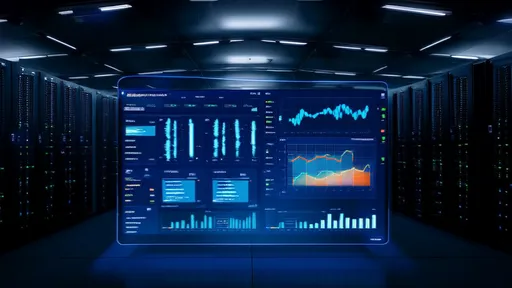
Several leading cloud providers have begun implementing sophisticated measurement tools that calculate the carbon emissions of specific workloads. These tools typically combine real-time power consumption data with regional carbon intensity information from electricity grids. The resulting metrics provide developers and IT managers with unprecedented visibility into the environmental consequences of their architectural decisions.
Optimization strategies for improving carbon efficiency often involve both temporal and geographical considerations. Temporally, workloads can be shifted to run during periods when renewable energy sources like wind and solar are most abundant on the grid. Geographically, tasks can be routed to regions with cleaner energy mixes, though this must be balanced against latency requirements and data residency regulations.
The development of these measurement and optimization tools represents a significant step forward for sustainable computing. However, challenges remain in standardizing methodologies and ensuring transparency across providers. Without consistent measurement approaches, comparisons between platforms remain difficult, and claims of environmental superiority require careful scrutiny.
Looking forward, we can expect carbon efficiency metrics to become increasingly integrated into developer tools and operational dashboards. As artificial intelligence workloads grow exponentially, their substantial energy demands will make carbon-aware computing not just an environmental consideration but an economic imperative. The cloud providers who lead in this space will likely find themselves with a competitive advantage as sustainability becomes a key factor in procurement decisions.
Beyond the provider level, individual developers and organizations must educate themselves on these tools and methodologies. The environmental impact of digital services has become a legitimate concern for consumers and regulators alike. Those who proactively address these concerns through measurable improvements in carbon efficiency will be better positioned in the marketplace.
The journey toward truly sustainable cloud computing is still in its early stages. Current tools provide a foundation, but much work remains in refining measurements, expanding optimization capabilities, and creating industry-wide standards. What's clear is that carbon efficiency has moved from a niche concern to a mainstream consideration that will shape the future of cloud architecture and operations.

By /Aug 26, 2025

By /Aug 26, 2025

By /Aug 26, 2025

By /Aug 26, 2025

By /Aug 26, 2025

By /Aug 26, 2025

By /Aug 26, 2025

By /Aug 26, 2025

By /Aug 26, 2025

By /Aug 26, 2025

By /Aug 26, 2025

By /Aug 26, 2025

By /Aug 26, 2025

By /Aug 26, 2025

By /Aug 26, 2025

By /Aug 26, 2025
By /Aug 26, 2025

By /Aug 26, 2025

By /Aug 26, 2025
By /Aug 26, 2025
